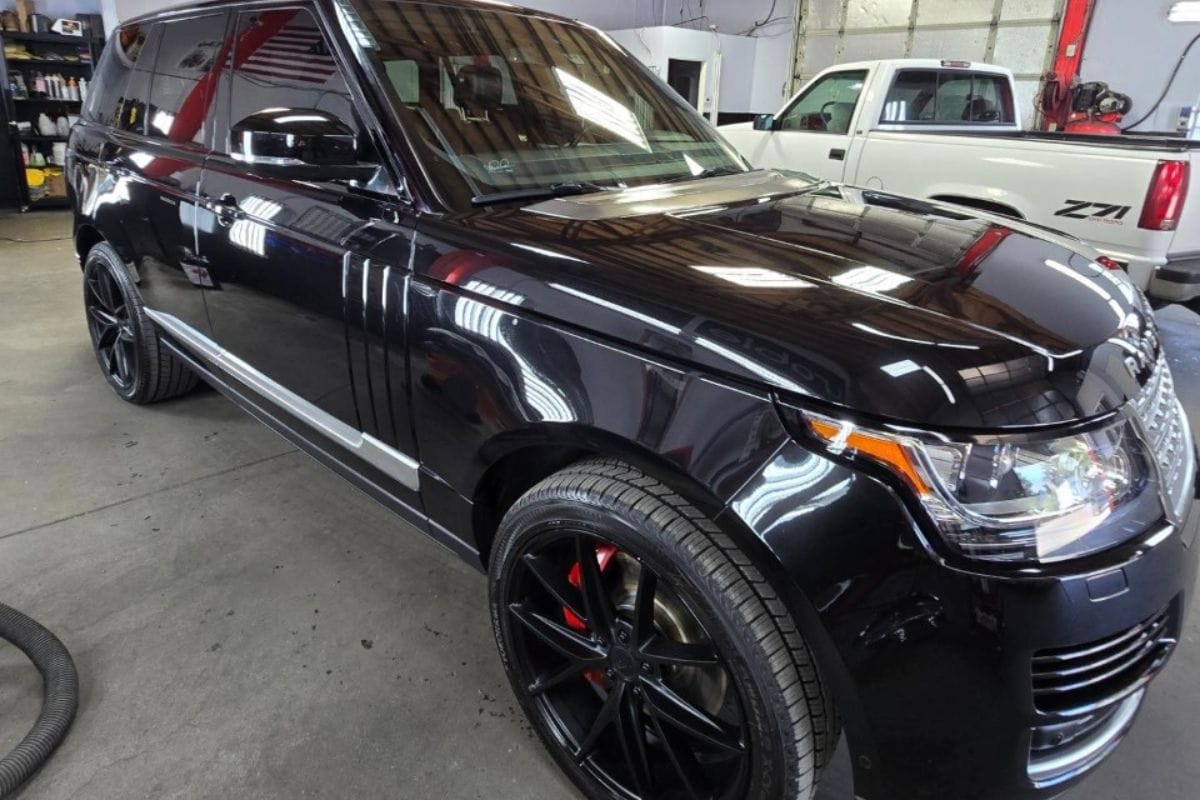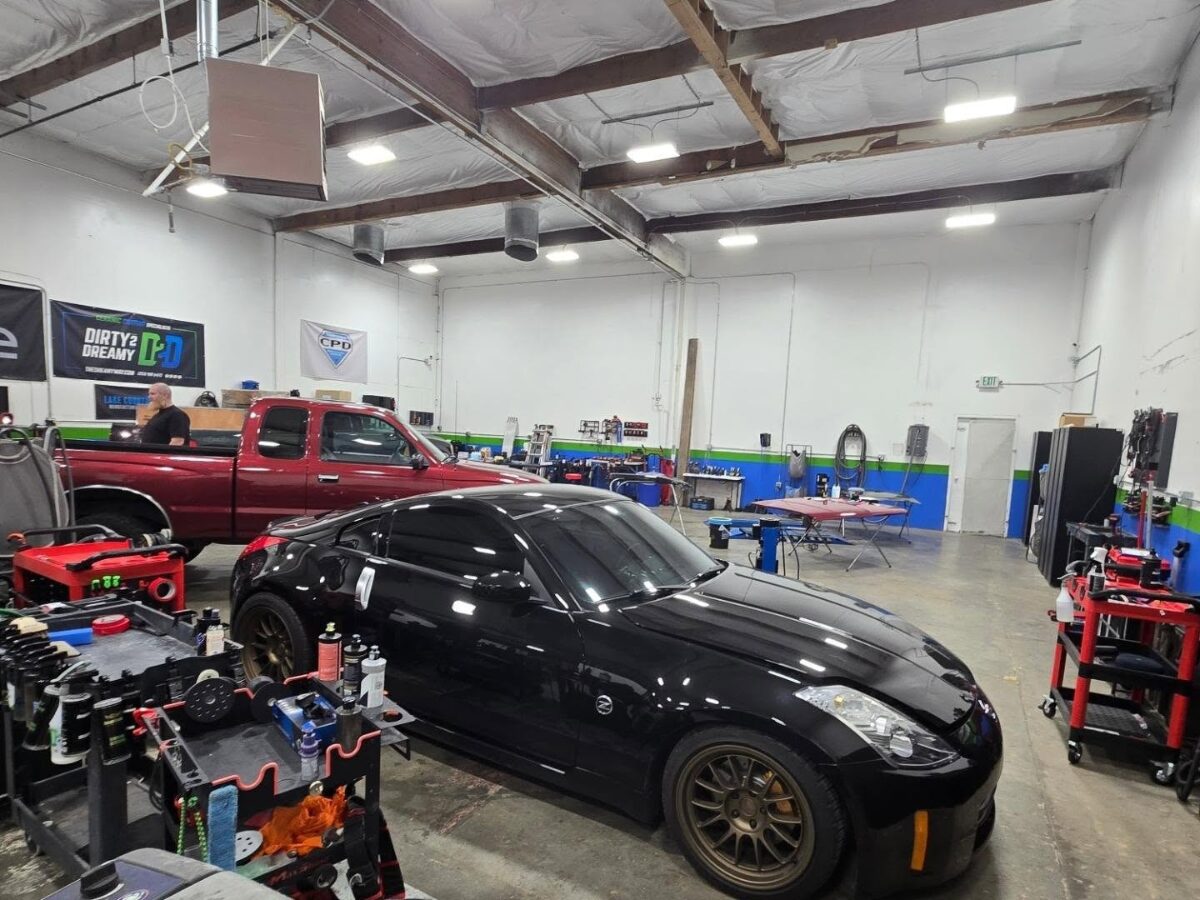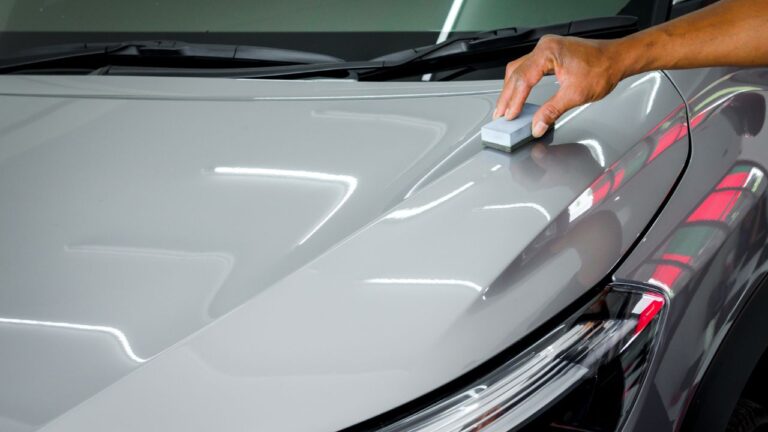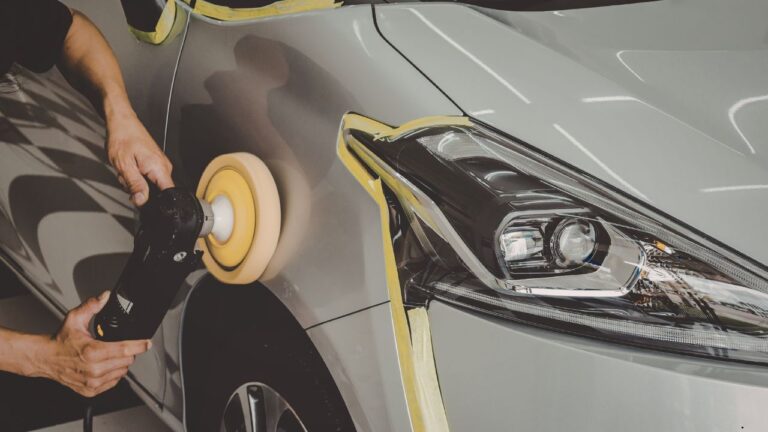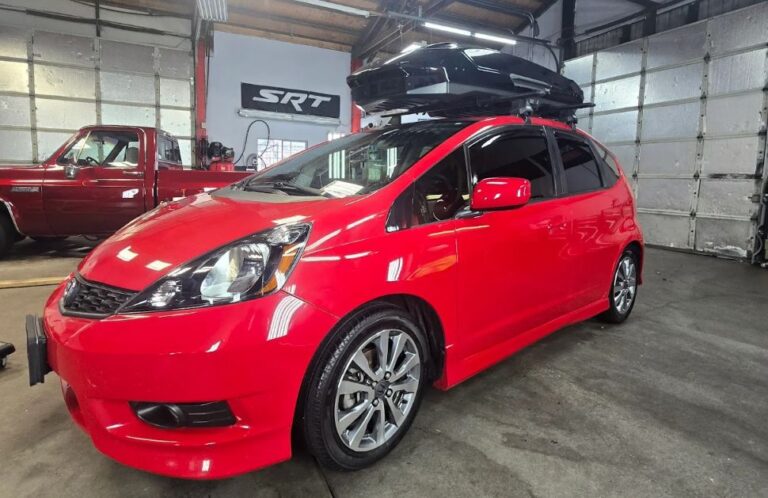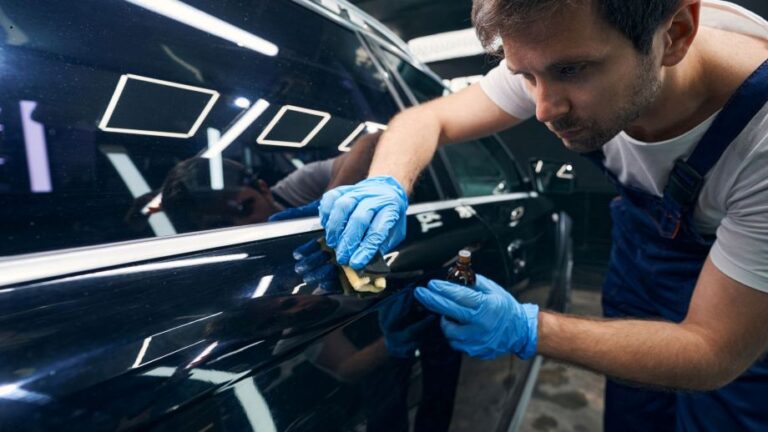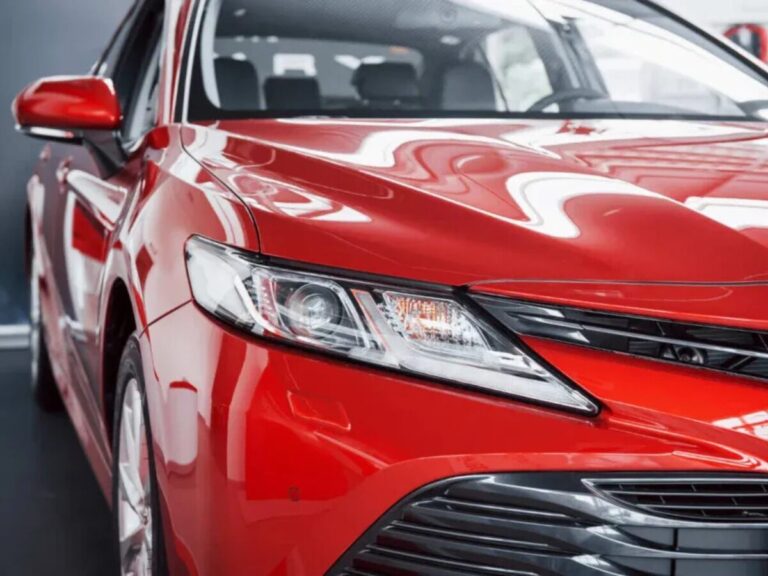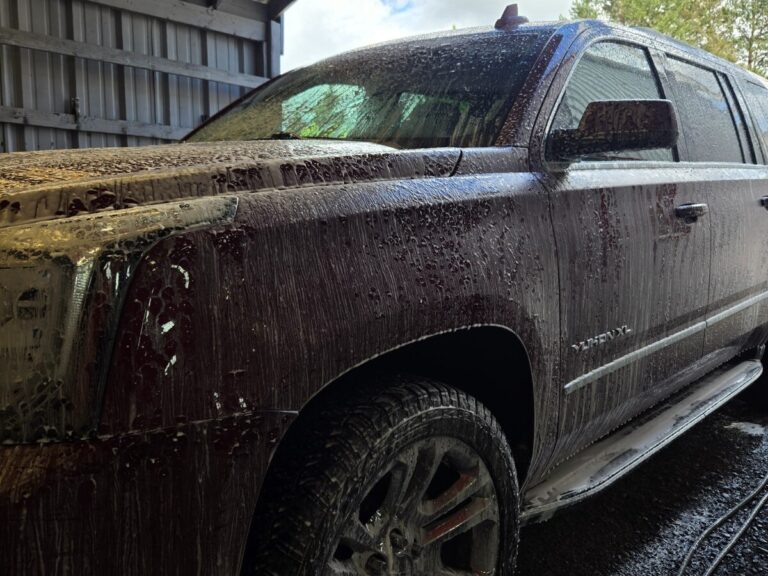
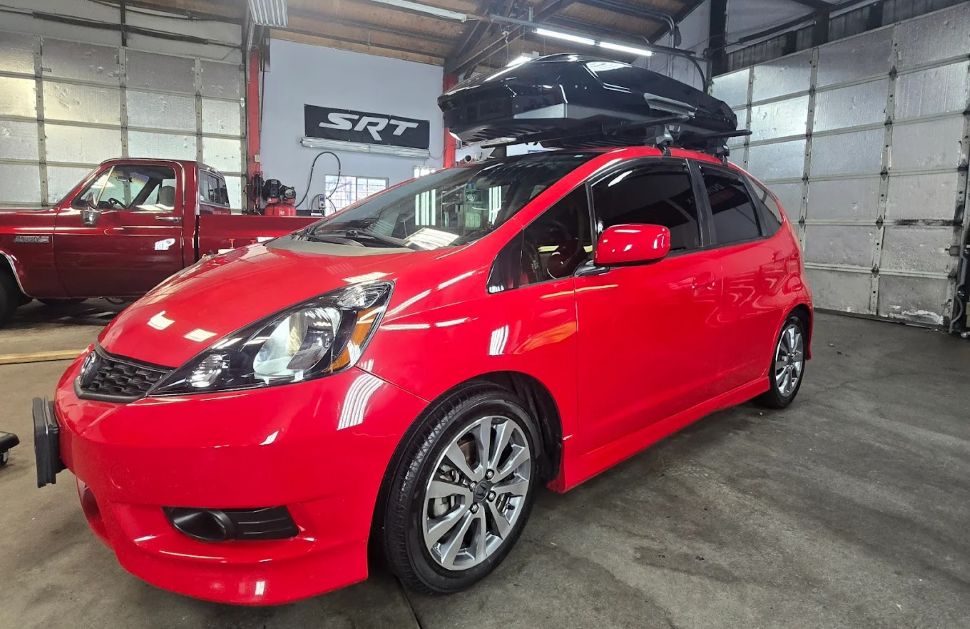
Paint correction involves carefully polishing the clear coat to smooth out defects such as swirl marks, oxidation, light scratches, and surface haze, restoring a more uniform and reflective finish. This process restores clarity and gloss, though deep gouges may only be minimized. The paint correction process includes inspection, measurement, cutting, polishing, refinement, and protection. A single-stage enhancement typically requires several hours, whereas multi-stage correction—used for heavier defects—may extend into a full day or longer depending on the vehicle.
Introduction
When sunlight hits your paint and reveals light circular marks, faint scratches, or a dull finish, these issues usually lie within the clear coat. Professional paint correction can reduce these flaws and restore depth and clarity. With the right tools, abrasives, and expertise, a skilled detailer can carefully level these flaws, restoring a deep, mirror-like gloss that brings your paint back to life.
In this article, you’ll discover exactly what is paint correction on a car, how the process works, and what results you can realistically expect. We’ll break down each stage of the paint correction process, explain the difference between single-stage and multi-stage correction, and help you understand how long paint correction takes based on your car’s condition. By the end, you’ll know what paint correction can and cannot fix—and why trusting a professional is the best way to achieve a flawless, long-lasting finish.
What Is Paint Correction?
Paint correction is a process where professionals use specialized polishing techniques to gently level the clear coat, reducing visible imperfections and enhancing overall clarity, shine, and gloss.
That is also why skill and measurement matter. You cannot add paint through polishing; you can only remove a small amount to make the surface flatter. For this reason, experienced technicians always begin with a thorough inspection and use paint thickness gauges to assess how much clear coat is available for correction. Precision is crucial—removing too much material can compromise the integrity of the paint, especially on edges or previously repaired panels. The right combination of machine, pad, and polish is selected based on the paint’s condition, ensuring defects are removed efficiently without unnecessary abrasion. Ultimately, a careful, measured approach not only delivers the best visual results but also preserves the long-term health of your vehicle’s finish.
Why Opt for Paint Correction?
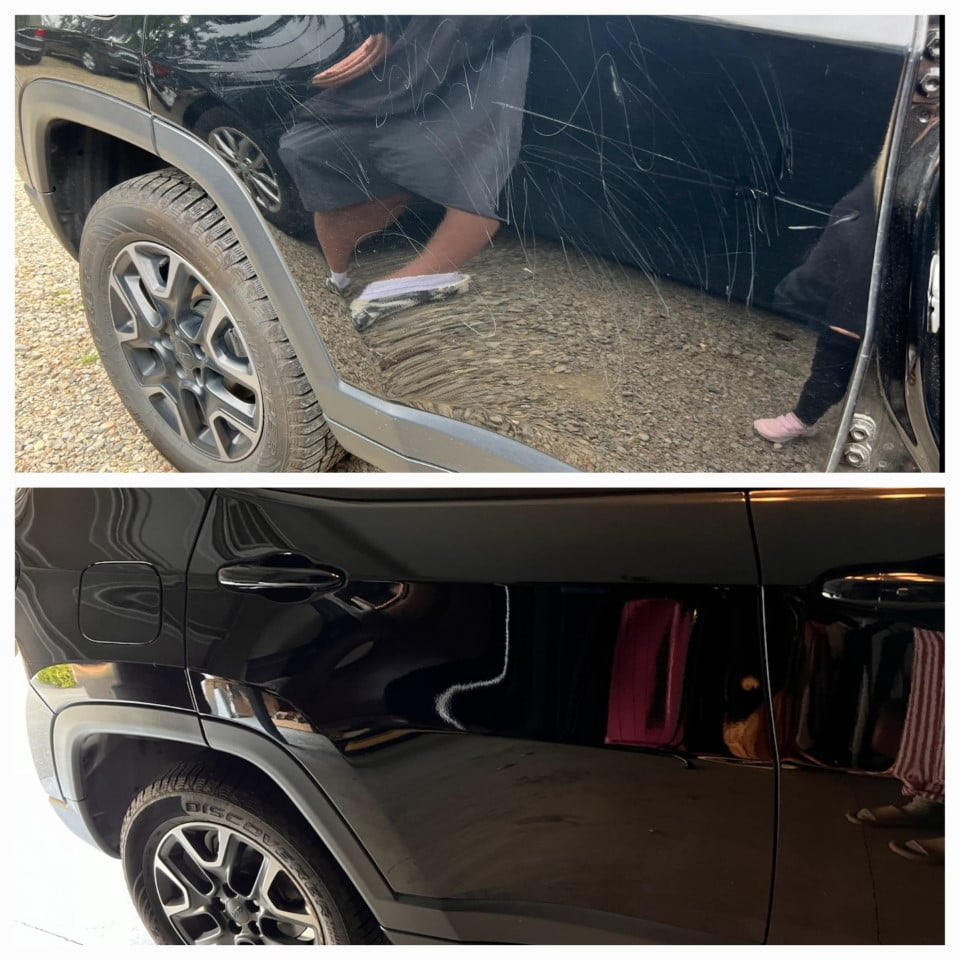
Paint correction is one of the most effective ways to dramatically refresh a vehicle’s appearance without resorting to repainting. When done correctly, it restores vibrancy, removes the dulling effects of oxidation, clears away swirl marks and superficial scratches, and allows the original color to show through with improved depth.
This process does more than just improve looks. By removing blemishes such as bird droppings, water spots, and embedded contaminants, paint correction brings out the depth and vibrancy of your car’s finish. It also helps shield the paint from ongoing threats like UV rays, which can cause fading and deterioration if left unchecked.
Correcting these flaws not only revives your car’s visual appeal but also provides a protective benefit, making the surface more resistant to future damage and easier to maintain. For those thinking about selling, a freshly corrected paint surface can make your car stand out to buyers, increasing both interest and potential offers. In short, paint correction is a smart way to preserve your investment and enjoy a vehicle that looks its absolute best.
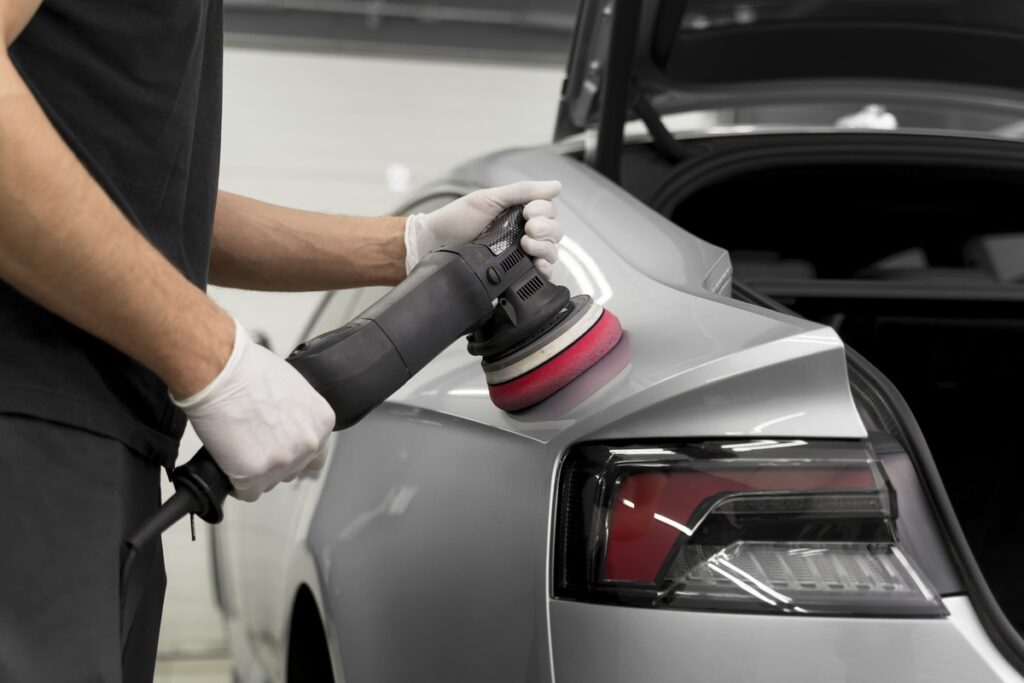
Steps in the Car Paint Correction Process
To fully understand what paint correction entails, it helps to walk through the steps most professionals follow. Although every vehicle is different, the sequence below forms the foundation of a proper correction.
1. Deep Cleaning and Decontamination
A thorough wash removes traffic film and dirt. Chemical decontaminants dissolve embedded iron particles and tar, while mechanical claying smooths the surface. The cleaner the paint is, the more accurate the defect assessment becomes.
2. Inspection and Paint Thickness Measurement
Strong, focused lighting reveals swirls, holograms, and isolated scratches. Technicians measure paint thickness across the vehicle to determine how much clear coat can be safely corrected. Areas with thin paint or previous repairs require extra caution.
3. Test Spot Evaluation
Before any large-scale polishing begins, a technician tests a small section with different pad and product combinations. This determines the most effective and safest approach for the specific paint system.
4. Cutting Stage
Cutting removes the bulk of visible defects. Microfiber or wool pads paired with cutting compounds level the clear coat and erase oxidation, swirls, and moderate scratches.
5. Polishing and Refinement
After cutting, polishing restores clarity and smoothness. Foam or fine-fiber pads paired with lighter polishes eliminate haze and bring out depth. On dark colors or soft paints, an additional refinement stage can maximize clarity and produce a show-quality finish.
6. Protection
Once the paint is corrected, it must be protected. Options include wax, synthetic sealants, ceramic coatings, or paint protection film. These layers preserve the corrected surface and reduce future marring.
Single-Stage vs. Multi-Stage Paint Correction
How long paint correction takes—and how dramatic the results will be—depends on the level of correction chosen.
Single-Stage Enhancement
- Targets light swirls and general dullness
- Uses one polishing step
- Typically completed in 4–8 hours on an average-size vehicle
- Improves gloss and clarity but may leave deeper marks visible
Two-Stage Correction
- Removes moderate swirls, heavier oxidation, and many shallow scratches
- Involves a cutting pass followed by a polishing pass
- Commonly takes 8–14 hours
- Produces a clear, highly refined finish
Three-Stage or Intensive Correction
- For heavily neglected paint, deeper defects, or sanding mark removal
- Uses cutting, medium polishing, and fine refinement
- Often requires 15–25+ hours
- Approaches show-car levels of depth and clarity
Large vehicles, soft or finicky paint systems, and complex body shapes naturally extend working time. If a ceramic coating is applied afterward, additional curing time may also be required.
What Paint Correction Can and Cannot Fix
Understanding the capabilities and limits of correction helps set realistic expectations:
Paint Correction Can Typically Remove:
- Light to moderate swirl marks
- Wash marring
- Surface oxidation
- Faint water-spot etching
- Shallow scratches that do not penetrate deeply
Paint Correction Cannot Fully Repair:
- Deep scratches that reach or pass through the clear coat
- Paint chips, cracks, or peeling clear coat
- Structural paint damage requiring repainting
These limitations exist because polishing cannot replace missing clear coat; it can only level what remains.
Machines, Abrasives, and Heat Control in Paint Correction
Achieving optimal results with paint correction depends on expertly matching the right machine and abrasive system to your vehicle’s paint. In professional paint correction, two primary machine types are used:
- Dual action or gear-driven polishers: These tools oscillate and rotate, making them ideal for paint correction because they minimize heat buildup and reduce the risk of swirl marks or holograms while efficiently removing defects.
- Rotary polishers: Spinning on a single axis, rotary polishers deliver powerful and fast paint correction in skilled hands, but require experience to avoid overheating or damaging the paint.
Modern paint correction compounds and polishes utilize advanced abrasives—some that break down as you work for a finer finish, and others that maintain a consistent cut for steady correction. The choice of pad is just as critical: wool and microfiber pads provide aggressive cutting action for deeper defects, while foam pads are used in paint correction to refine and enhance gloss.
Heat control is essential throughout the paint correction process. Skilled technicians monitor panel temperatures by touch or with infrared thermometers, keep pads clean, and switch them out before they become clogged. Clean pads not only improve the efficiency of paint correction but also help prevent haze and ensure a flawless, high-gloss finish.
The Value of a Careful Test Spot in Paint Correction
A careful test spot is a crucial step in the paint correction process, allowing technicians to determine the ideal combination of pad, polish, and technique for your vehicle’s specific paintwork. By working on a small, representative area first, professionals can assess how the paint responds, gauge its hardness or softness, and decide how aggressive the initial cut should be. The results from this test spot guide the entire paint correction strategy, including how many stages are needed to achieve your desired finish.
Skipping this step can lead to surprises and inconsistent results. Including a test spot ensures more accurate timing and pricing, and gives you confidence that the final outcome will meet your expectations.
Estimating Time and Budget for Paint Correction Without Guesswork
Many car owners want to know not just what is paint correction, but also how professionals determine the time and cost involved. Accurate paint correction estimates are based on several key factors:
- The size and shape of your vehicle, which affects how much surface area requires paint correction
- The severity and type of paint defects, such as swirl marks, scratches, or oxidation
- The specific paint type and its hardness, which influence the paint correction process and technique
- The complexity of edges, contours, and hard-to-reach areas that may require extra attention during paint correction
- Your desired level of finish and the type of protection you want after paint correction, such as a sealant or ceramic coating
A reputable shop like AAD Ceramic Coatings will measure paint thickness, document the condition, and perform a test spot before starting the paint correction and paint restoration process. This approach ensures you receive a realistic estimate and helps you understand the tradeoffs between a quick single-stage paint correction for gloss enhancement and a more intensive multi-stage paint correction for near-perfect results.
A Few Practical, Field-Tested Paint Correction Tips
To get the most out of your paint correction service, a little preparation and clear communication can make a big difference.
- Arrive with your car clean, but avoid applying waxes or dressings before your paint correction appointment.
- Clearly identify and point out the specific paint defects—such as swirl marks, scratches, or oxidation—that concern you most.
- Request a test spot and ask the technician to provide paint thickness readings to ensure the paint correction process is safe for your vehicle.
- Discuss protection options, like ceramic coatings, paint protection film, or sealants, immediately after paint correction to help preserve your results.
- Learn and plan for proper washing techniques after paint correction to maintain your car’s flawless finish and prevent new imperfections.
FAQ
- Is paint correction permanent? Yes, defects removed by paint correction are gone, but new swirls can form if you wash improperly.
- Does paint correction thin the paint too much? No, a professional only removes a few microns—just a small fraction of the clear coat.
- Can all scratches be erased with paint correction? No, deep scratches that go through the clear coat can only be minimized, not fully removed.
- What does paint correction mean? Paint correction means removing surface imperfections by leveling the clear coat to restore gloss and clarity.
- How long does paint correction take? Paint correction can take anywhere from 4 to 8 hours for a single-stage process, and 10 to 20+ hours for multi-stage correction, depending on the vehicle’s condition.
- How much would a full paint correction cost? Full paint correction typically ranges from $400 to $1,500 or more, depending on the size, condition, and number of stages required.
- How does paint correction work? Paint correction works by using specialized machines, pads, and cutting compounds to carefully polish and level the clear coat, removing defects and restoring a smooth, glossy finish.
Why Professional Paint Correction Help Matters
If you’re wondering whether paint correction is right for you, the best approach is to have a professional assess your vehicle in person. An experienced detailer will evaluate not only the visible defects but also the thickness of your clear coat and the safest, most effective way to achieve your desired results.
At AAD Ceramic Coatings, our team specializes in precision paint correction. You’ll receive a thorough inspection, a clear and honest plan, and the ideal combination of machine, pad, and polish tailored to your car’s specific needs. If your finish would benefit from added protection, we can apply a ceramic coating immediately after correction, giving you lasting gloss and easier upkeep.
A survey by Automotive News found that 85% of car owners feel that professional paint correction achieves better results than DIY methods. For the best outcome and to avoid potential mistakes, trusting professionals for paint correction is highly recommended.
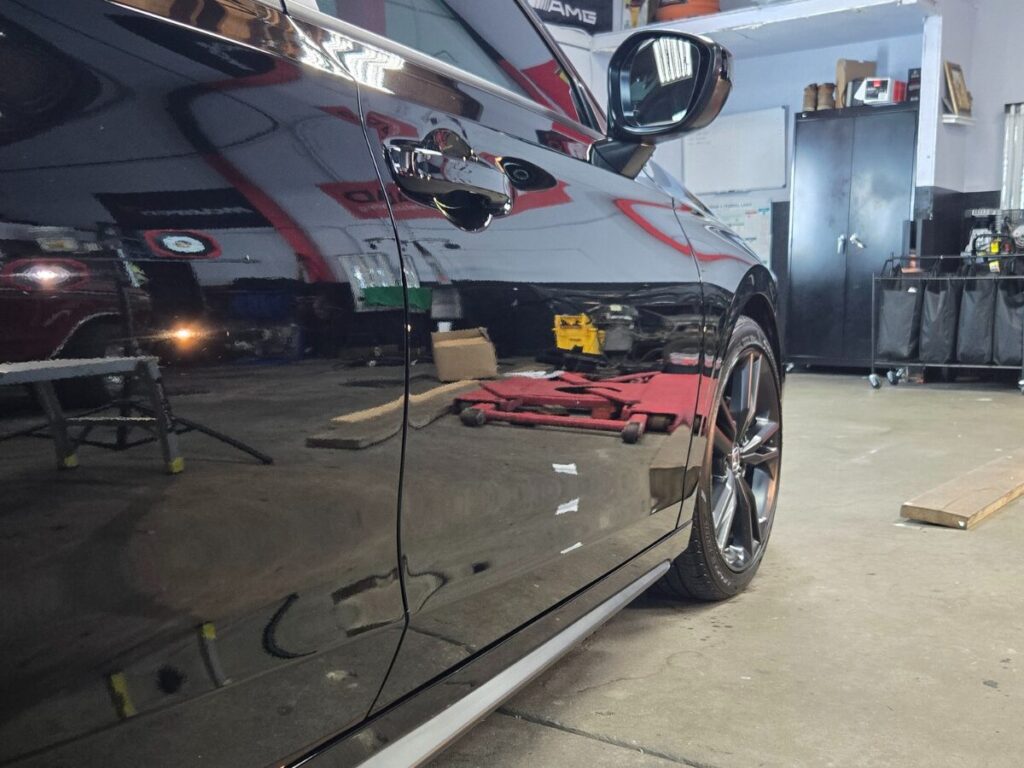
How to Get Started
If you want to restore your vehicle’s finish and truly enhance its appearance, professional paint correction is the key first step. At AAD Ceramic Coatings, our paint correction services are designed to remove swirl marks, scratches, oxidation, and other imperfections, revealing the depth and gloss your car was meant to have. We use advanced tools, precise measurement, and proven techniques to ensure every paint correction process is tailored to your vehicle’s unique needs, delivering results that far surpass what DIY products can achieve.
Whether you drive a daily commuter or a high-end show car, our detailing team provides honest assessments, customized solutions, and meticulous attention to detail. We document every stage of your paint correction service, so you have a clear record of the care your vehicle has received—something that can even be reported to CARFAX to help boost resale value.
Experience the transformative power of expert paint correction—schedule your consultation with AAD Ceramic Coatings today and see your car’s finish restored to its best possible condition.
Visit at:
AAD Ceramic Coatings
5825 SE 122nd Ave bldg A, Portland, OR 97236
Check works at:
aadceramiccoatings.com
Call at:
503-206-9544
Social Profile:
Facebook
Portland paint correction services from AAD Ceramic Coatings will keep your vehicle looking its best and help protect your investment for years to come.
Easy Ways to Get Started
- Get a Quote – Get instant pricing tailored to your vehicle and selected package.
- Contact Us – Schedule your appointment at a time that’s convenient for you.
Recommended Article for You