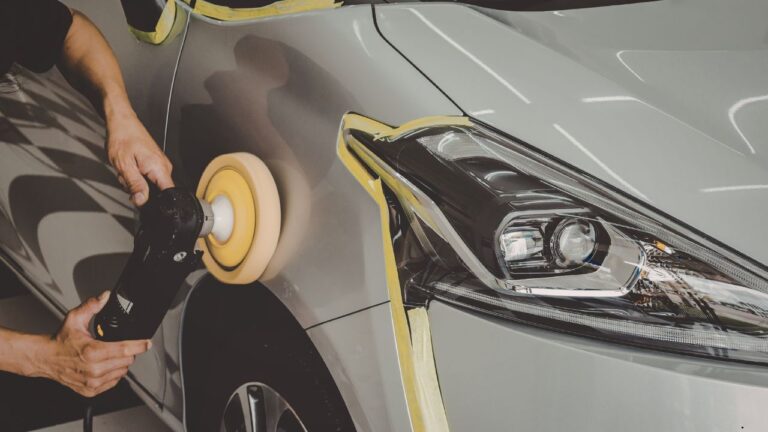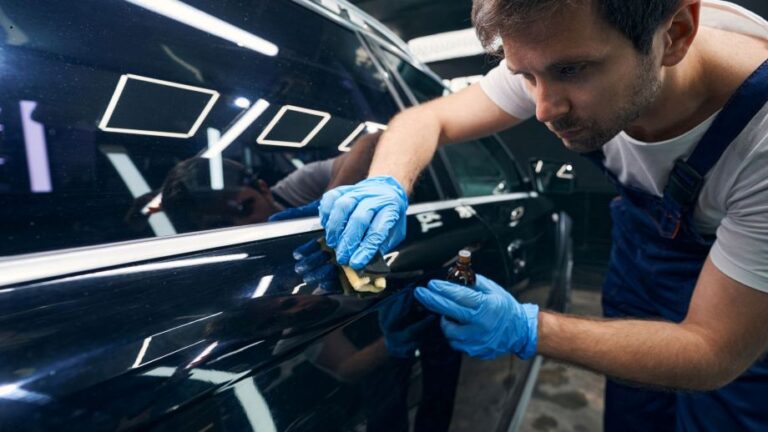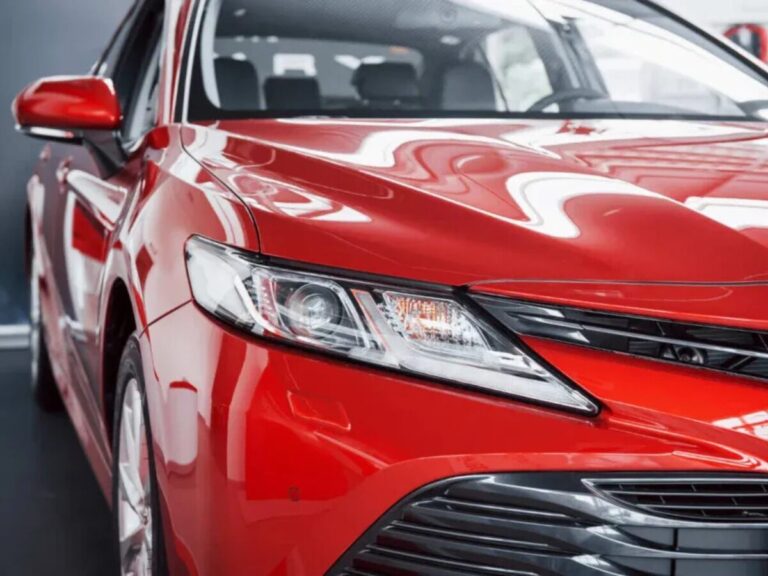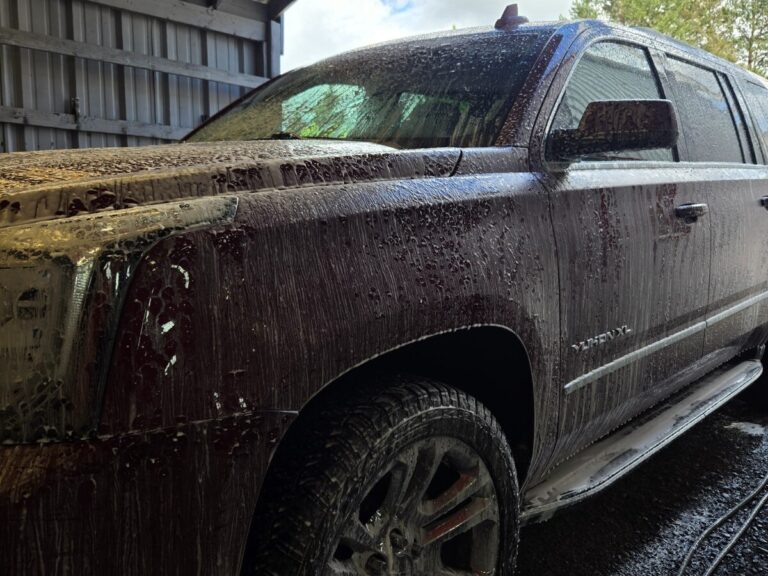
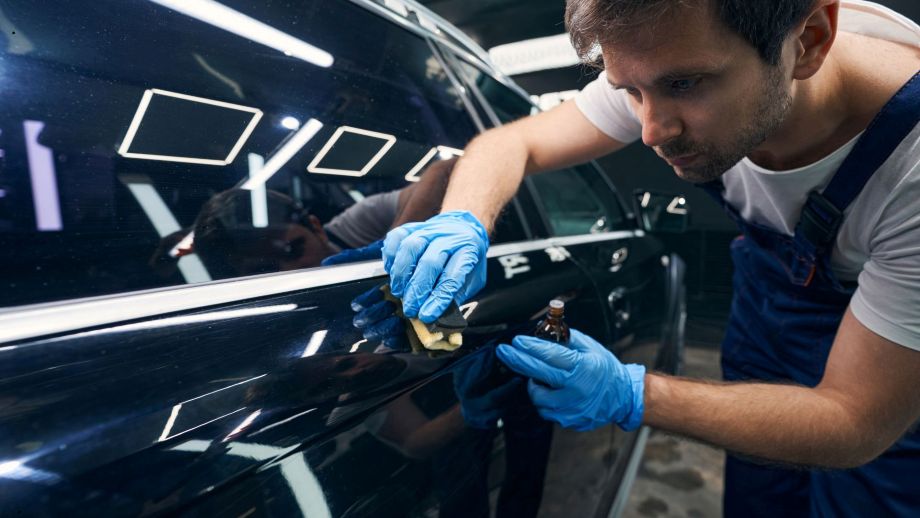
Ceramic coating vs paint protection film comes down to choosing between enhanced gloss and easy cleaning or superior impact protection and scratch resistance. Ceramic coatings excel at blocking UV damage and chemical etching while delivering a deep, slick finish, whereas PPF absorbs rock chips and physical abrasion, offering robust defense in high-impact areas. While both options can last 1 to 10 years, ceramic coatings are somewhat DIY-friendly with proper prep, whereas PPF installation is best left to professionals and requires regular cleaning to maintain its performance. Coatings are ideal for those seeking daily ease of maintenance and long-lasting shine, while PPF is best suited for front clips, high-impact zones, or vehicles exposed to track conditions.
Introduction
Car owners everywhere are faced with the decision of ceramic coating vs paint protection film, as both options promise to safeguard your vehicle’s finish, enhance its shine, and minimize the time spent cleaning. However, the reality is that ceramic coating vs paint protection film represents two fundamentally different approaches to vehicle protection, each delivering unique benefits and results. Understanding the difference between PPF and ceramic coating is crucial if you want to make the smartest investment for your car’s appearance, longevity, and your budget.
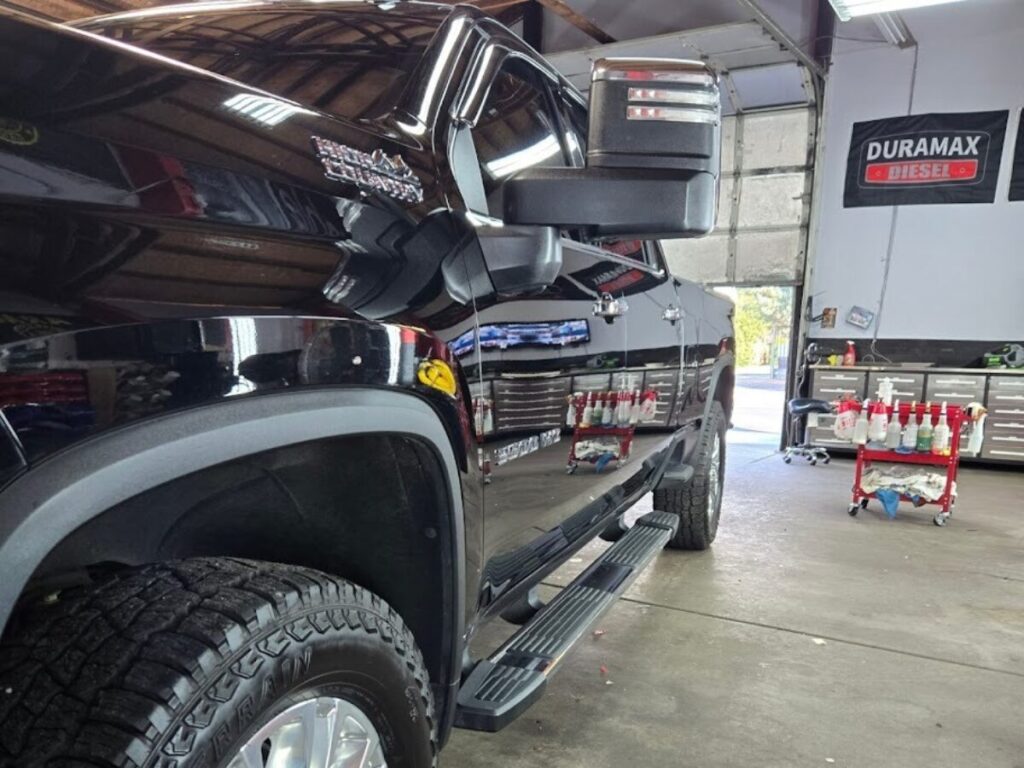
In this article, we’ll explore how ceramic coating and paint protection film work, provide a detailed comparison of their strengths and limitations, examine key differences in durability, appearance, maintenance, and cost, and highlight scenarios where one option may be more suitable than the other.By the end, you’ll have a clear understanding of ppf vs ceramic coating—which is better for your needs, how ceramic coating vs PPF cost compares, and when it makes sense to combine both for maximum protection. Whether you’re after a brilliant, easy-to-clean shine or the ultimate defense against chips and scratches, this guide will empower you to make the best choice for your vehicle.
How Each Vehicle Protection Works
Ceramic coatings and paint protection film (PPF) offer fundamentally different approaches to vehicle protection, each with unique strengths and limitations.
Ceramic Coatings
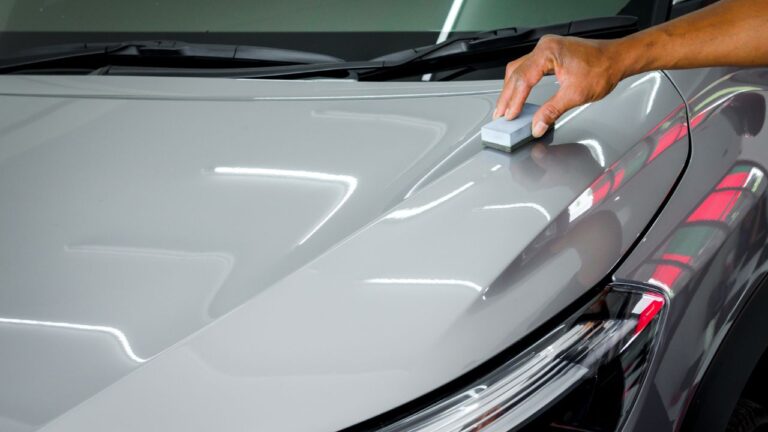
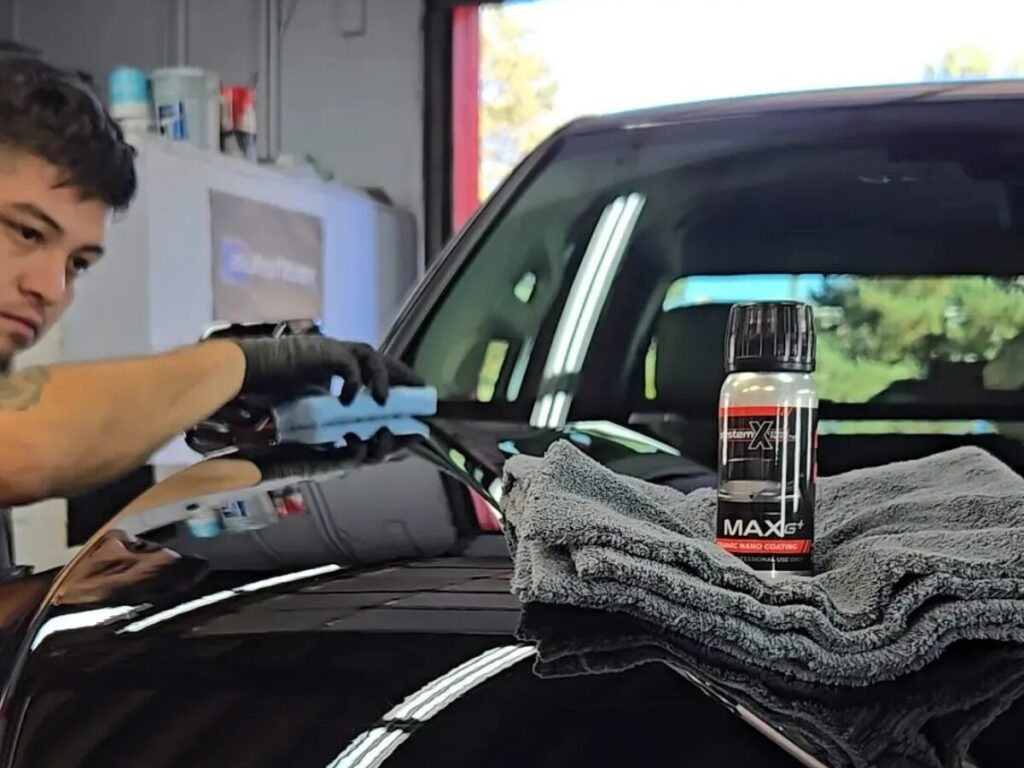
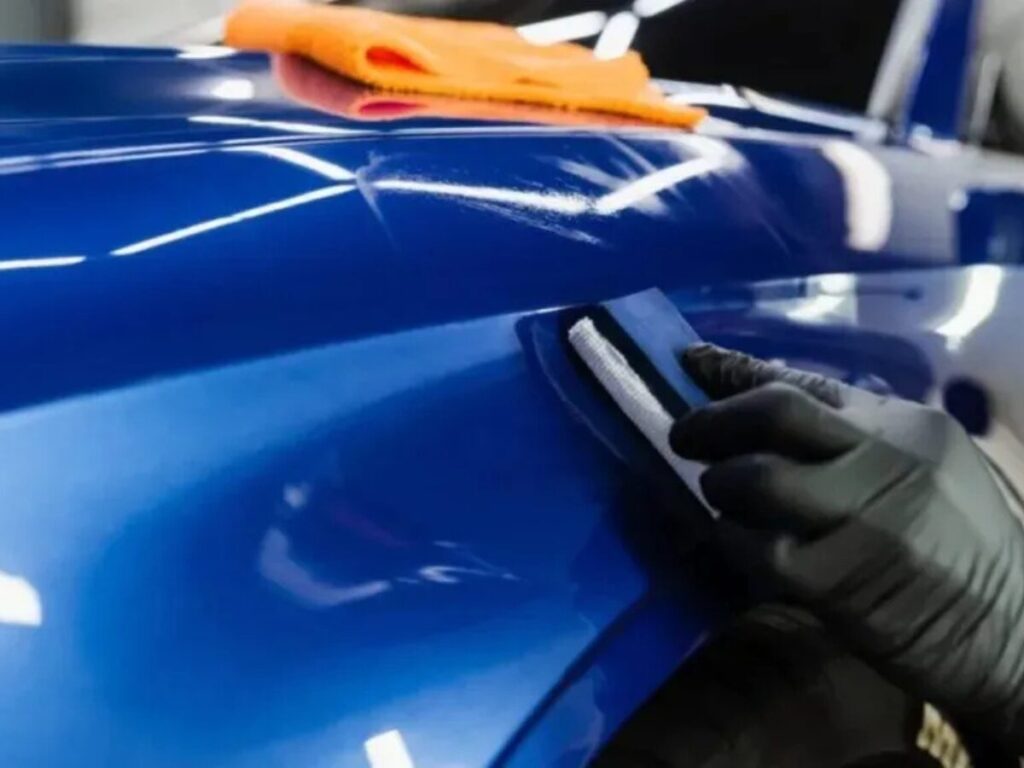
Ceramic coatings work at the molecular level, forming a nano-thin, invisible shield that chemically bonds to your vehicle’s clear coat. This hard, slick layer dramatically enhances gloss, depth, and surface slickness, making the paint look freshly detailed for years. The hydrophobic properties of ceramic coatings cause water and contaminants to bead and slide off easily, simplifying routine cleaning and reducing the risk of water spots or staining. Additionally, ceramic coatings provide robust resistance to UV rays, oxidation, and chemical etching from bird droppings, bug splatter, or harsh cleaners. However, while they offer some defense against minor scratches and swirl marks, ceramic coatings do not physically absorb impacts or prevent chips from rocks and road debris.
Paint Protection Film
Paint protection film, on the other hand, is a much thicker, flexible polyurethane layer applied directly over the paint. PPF acts as a physical barrier, absorbing and dispersing the force of impacts from stones, gravel, and other road hazards that would otherwise cause chips, scratches, or deeper abrasions. Many modern PPF products feature self-healing properties, allowing light swirls and minor scratches to disappear with exposure to heat or sunlight. While PPF is highly effective at protecting high-impact zones like bumpers, hoods, and side mirrors, it is generally less glossy than ceramic coatings and may have a subtle texture or matte finish, depending on the product chosen.
In summary, the core difference between PPF and ceramic coating lies in their protective mechanisms: ceramic coatings provide a hard, glossy, chemical-resistant shell that excels at maintaining appearance and ease of cleaning, while PPF delivers superior impact resistance and physical protection against chips and scratches. For maximum protection and aesthetics, some owners choose to combine both—applying PPF to vulnerable areas and ceramic coating over the entire vehicle, including the film, for the best of both worlds.
Side-by-Side Comparison of Ceramic Coatings and Paint Protection Film (PPF)
Let’s break down the differences between ceramic coating and PPF so you can decide which protection is the right match for your vehicle.
Factors | Ceramic Coating | Paint Protection Film (PPF) |
Cost | more affordable | often more expensive |
Primary Defense | provides protection against UV rays and chemical stains while also resisting minor scratches | provides protections against direct impacts and deep scratches |
Visual effect | higher gloss, depth, slick feel | nearly invisible; very slight texture; matte film available |
Lifespan | 1-10 years | 1-10 years |
DIY friendliness | limited; prep and technique matter | low; professional patterns, install, and trimming recommended |
Maintenance | low maintenance thanks to its hydrophobic properties | requires regular cleaning to maintain performance |
Best placement | entire vehicle | high-impact zones: front bumper, hood, fenders, mirrors, rocker panels |
- Cost Ceramic coating vs PPF cost comparison reveals that ceramic coating is generally more affordable than paint protection film (PPF). The lower price point makes it accessible for a broader range of vehicle owners, especially those looking for effective protection without a significant investment or those concerned about maintaining resale value. In contrast, PPF is often more expensive due to the cost of materials and the professional labor required for installation.
- Primary Defense Ceramic coatings primarily protect against UV rays, chemical stains, and minor scratches while enhancing durability. They form a hard, slick surface that resists environmental contaminants and helps maintain the paint’s original color and clarity. PPF, on the other hand, excels at defending against direct impacts, such as stone chips and deep scratches, by acting as a thick, sacrificial barrier that absorbs and disperses physical damage.
- Visual Effect Ceramic coatings enhance the vehicle’s appearance by delivering a higher gloss, deeper color, and a slick feel to the paintwork. This results in a showroom-like finish that is visually striking. PPF is nearly invisible when properly installed, with only a very slight texture that is typically unnoticeable. A survey by AutoPaintTech found that 62% of car owners didn’t see a major change in their vehicle’s appearance with PPF, while 38% did notice some differences, suggesting varying sensitivity to these aesthetic changes. For those seeking a unique look, matte PPF options are also available, allowing for a custom finish without altering the underlying paint.
- Lifespan Both ceramic coatings and PPF can last anywhere from 1 to 10 years, depending on the quality of the product, the skill of the installer, and how well the vehicle is maintained. Regular upkeep and proper care can help maximize the longevity of either protection method.
- DIY Friendliness Ceramic coatings offer limited DIY potential; while some products are marketed for at-home use, proper surface preparation and application technique are crucial for optimal results. PPF, however, is not recommended for DIY installation due to its complexity—professional patterns, precise installation, and careful trimming are required to achieve seamless protection and avoid visible edges or bubbles.
- Maintenance Ceramic coatings are low maintenance thanks to their hydrophobic properties, which cause water, dirt, and grime to bead up and roll off the surface. This makes routine washing easier and helps keep the vehicle looking clean for longer. PPF requires regular cleaning to maintain its clarity and performance, as contaminants can accumulate on the film and diminish its protective qualities over time.
- Best Placement Ceramic coatings are ideal for application over the entire vehicle, providing comprehensive protection and a uniform, glossy finish. PPF is best suited for high-impact zones such as the front bumper, hood, fenders, mirrors, and rocker panels—areas most vulnerable to chips, scratches, and road debris. This targeted approach ensures maximum protection where it’s needed most.
Choosing the Right Solution for Your Vehicle’s Needs
Start with honest use cases. If you drive a lot of highway miles, live on gravel, or track the car, PPF on the front bumper, leading hood edge, fenders, A-pillars, rocker panels, and mirror caps is a strong first move. That’s where the difference between ppf and ceramic coating shows up on day one: PPF takes hits; coatings don’t.
If you prize gloss, want wash days to fly by, and your commute is mostly urban or suburban with low debris risk, a professional ceramic package makes living with the car more enjoyable. Hydrophobic behavior keeps the finish looking fresh and helps reduce the frequency and intensity of full decontamination washes.
Where do ppf vs ceramic coating arguments get murky? When people try to force a single solution. Consider this realistic mix:
- Daily drivers: PPF up front; coating over film and remaining panels for gloss and easy washing.
- Collector cars: Coating only if the car sees gentle use; PPF on impact zones if you drive to events.
- Off-road and winter duty: Heavier PPF coverage on lower panels and fenders; coating everywhere for salt and grime cleanup.
That brings us to a popular search question: ppf vs ceramic coating which is better. The answer changes based on what you’re protecting against and how you use the vehicle. For physical damage, PPF takes it. For shine and easy cleanups, coatings win. Many owners opt for both because ppf and ceramic coating together deliver stronger protection and better looks than either one alone.
Frequently Asked Questions
- Can you do both PPF and ceramic coating?
Yes, you can apply both PPF and ceramic coating to your vehicle for combined protection and enhanced appearance.
- Can you ceramic coat paint protection film?
Yes, ceramic coating can be applied on top of paint protection film to boost gloss and make cleaning even easier.
- Does ceramic coating protect against rock chips?
No, ceramic coating does not protect against rock chips; only PPF provides effective impact resistance.
Professional Help Pays Off
Choosing professional installation for ceramic coating ensures Portland drivers achieve the highest level of protection and shine for their vehicles. At AAD Ceramic Coatings, our team specializes in meticulous paint correction and expertly applied ceramic coatings tailored to your driving habits and Portland’s unique climate—whether you’re facing city traffic, rainy seasons, or the challenges of the Pacific Northwest.
While paint protection film (PPF) is known for its impact resistance, ceramic coating stands out for delivering a deep, glossy finish, superior hydrophobic performance, and long-term defense against UV rays, chemical stains, and everyday contaminants. With professional ceramic coating, you’ll enjoy a flawless, low-maintenance finish that keeps your vehicle looking its best year-round. Our specialists can answer your questions about the difference between PPF and ceramic coating, and help you understand why ceramic coating is often the preferred choice for drivers seeking lasting beauty and easy upkeep.
How to Get Started
If you want to preserve your vehicle’s exterior with the best ceramic coating in Portland, trust the professionals at AAD Ceramic Coatings for results that truly last. Our services go beyond DIY products by providing expert surface preparation, precise application, and personalized recommendations to ensure your car is protected from rain, UV rays, road grime, and environmental pollutants.
We offer packages designed for everything from daily commuters to high-end vehicles, each crafted to withstand Portland’s demanding conditions and maintain your car’s value and curb appeal. Professional documentation of your ceramic coating service can also be reported to CARFAX, providing proof of care and enhancing resale value when it’s time to sell.
Experience the difference that professional ceramic car coating can make—schedule your consultation with AAD Ceramic Coatings today and enjoy a stunning, protected finish for years to come.
Visit at:
AAD Ceramic Coatings
5825 SE 122nd Ave bldg A, Portland, OR 97236
Check works at:
aadceramiccoatings.com
Call at:
503-206-9544
Social Profile:
Facebook
Portland ceramic coating services keep your vehicle looking its best, providing lasting protection against the elements and everyday wear.
Easy Ways to Get Started
- Get a Quote – Get instant pricing tailored to your vehicle and selected package.
- Contact Us – Schedule your appointment at a time that’s convenient for you.